Essex High School students manage a lot: schoolwork, sports, jobs, performing arts, and so many more extracurricular events. The big question is: how do they fit all of their activities into 24 hours and still have time to eat and sleep?
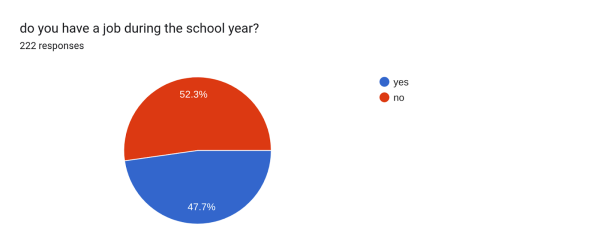
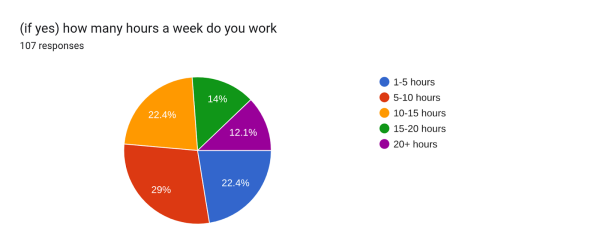
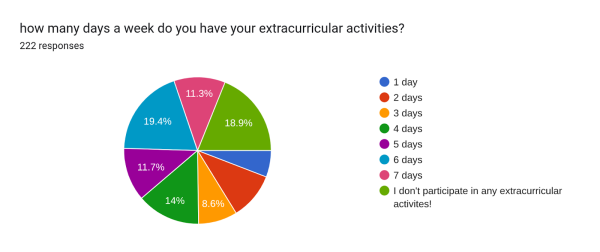
According to a recent EHS survey of 222 students, 82% participate in weekly activities outside of school. Of those students, 12% have activities every day of the week. Additionally, 48% reported having a job, with five to 10 hours per week being the most common workload. However, 12% said they work more than 20 hours each week.
Junior Katerine Lacourciere shared that she participates in nearly 21 hours of extracurricular activities per week. These include: ballet, student government, the Hive, National Honor Society, Spanish Honor Society, and her job.
“My number one strategy is instead of staying up late to do my homework, I just go to bed and do it early in the morning,” Lacourciere explained. “That way, I can get a guaranteed amount of sleep, even if it’s not that much.”
Sophomore Grace Raut creates a schedule to keep up with schoolwork and personal activities.
“Something that has helped me with my time management is having a schedule with me when I have to complete things,” Raut said. “Participating in many clubs and sports can limit how much time you have, so having a schedule can help keep you accountable as well as organized.”
She explained that she can have up to 16 hours of extracurriculars a week, so she needs to stay on task and focused.
“Something that I do to keep up with my schoolwork while balancing other activities is to use any time I have to finish my work,” Raut said. “Flex block, before school, after school, when I have later practices, I try to get all my work completed by the time I get home, allowing me to focus on homework and studying at home.”
Teachers at EHS notice the same challenges that students do and encourage them to build sustainable habits.
Science teacher Katie Berkelhammer described a method that students can use to manage their time effectively.
“Be realistic and intentional with your time,” Berkelhammer said. “Breaking larger assignments into smaller, manageable tasks and setting personal deadlines can make work feel much less overwhelming.”
She also suggests that students plan their week ahead of time and prioritize tasks based on importance and urgency.
“Another key habit is minimizing distractions during focused work time, whether that means silencing notifications on your phone, finding a consistent study space, or using techniques like timed work sessions with short breaks,” Berkelhammer said.
School counselor Aaron Mason explained one thing that makes staying on track easier.
“Set a weekly schedule that includes schoolwork, practices, activities, downtime, and sleep. Seeing everything mapped out helps prevent overcommitting and last-minute stress. Try your best to stick to the schedule, but build in buffer time so it doesn’t feel rigid or overwhelming,” Mason said.
He shared a strategy he used in graduate school that is still part of his routine today.
“Consider creating a simple self-care plan that helps you take inventory of coping strategies that work for you,” Mason said. “This might include movement, time outside, music, journaling, mindfulness, or time with friends. Having a plan makes it easier to respond when stress levels rise.”
Mason also recognizes that students have a lot on their plates.
“Balancing school, sports, activities, and personal time without burning out takes intention, self-awareness, and flexibility,” he explained. “It’s okay to scale back or pause an activity if your plate is too full. Balance doesn’t mean doing everything—it means doing the right things at the right time.”
Mason encourages students to reach out to a school counselor, teacher, coach, or trusted adult when they begin experiencing burnout symptoms rather than waiting until it feels unmanageable.
“Everyone experiences burnout differently,” Mason added. “Irritability, constant exhaustion, loss of motivation, trouble concentrating, or feeling numb can all be signals. When you notice these signs, take them seriously.”
Time management at EHS is about learning personal limits. While students continue to juggle demanding schedules, teachers and counselors emphasize the importance of knowing when to push yourself and when to slow down.