
At the beginning of the 2025-2026 school year, the EHS cafeteria made changes to breakfast and lunch items. Some popular dishes stayed, while others were taken off the menu.

EWSD Director of Child Nutrition, Scott Fay, manages and oversees the district’s entire food program, ensuring healthy and United States Department of Agriculture (USDA) compliant meals.
The EHS cafeteria serves about 600 breakfasts and approximately 1,000 lunches a day. About 82% of students eat school lunches, which is a huge jump from a few years ago when only around 42% of students ate school lunches. Part of this increase was due to Vermont’s Universal School Meals, which provides free meals to all students.
In order to serve what students eat everyday, the work has to start early. Full-time staff work from 5:45 am to 1:45 pm., prepping food, cooking, serving, washing dishes, and repeating this process everyday.
“The staff here works really, really hard to make sure that they’re serving fresh, healthy, and safe and tasty food every day,” Fay said. “They’re really invested in making sure that if things aren’t right, they get it right, and kids have plenty of good choices.”
Many meals served in the cafeteria are made from scratch, or prepared the day of or just one day in advance. The kitchen also prepares around 70 vegetarian meals daily, as well as accommodating food allergies when possible.
However, one food option that has not returned this school year are the acai bowls. So what happened to them? Açaí bowls were popular for a reason. Students liked them, and when they were available, they went fast. However, that popularity became part of the problem.
“What happened was it was very expensive,” Fay said. “The sorbet doesn’t meet USDA’s meal pattern, and it doubled in price. On top of that, it was super popular.”
Because of its popularity and costs, the açaí bowls were not sustainable.
EHS Student Government suggested sorbet bowls as an alternative, but those also failed to meet nutritional standards due to too much added sugar. Instead of dropping the idea entirely, the kitchen adapted.
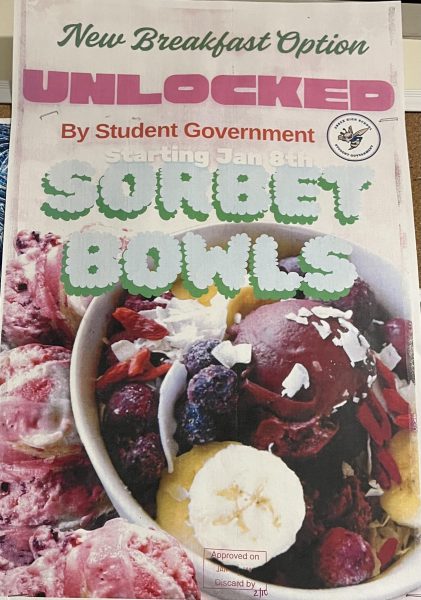 “What we did was we found a local raspberry yogurt, and we’re freezing it,” Fay said. “There’s a protein in the yogurt, and it doesn’t have a lot of added sugar. Then we are topping the frozen yogurt with berries, coconut, and honey to sort of replicate that açaí bowl.
This bowl will meet nutritional requirements, cost less, and are realistic for the staff to prepare. This new breakfast item is the reinvented açaí bowl everyone knows and loves, created from a compromise of student interest.
Fay believes students’ input is important. The kitchen staff listens and adapts to make it work.
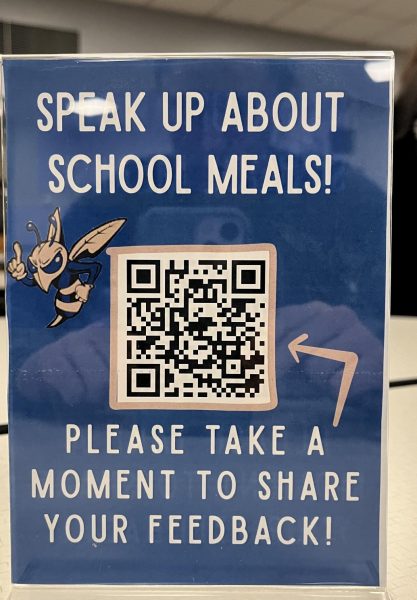 “There are little table tops with QR codes for feedback,” Fay said. “This one is a little different than how we’ve done in the past, but we’re hoping for a little more feedback. That’s an example of collaborating with the student body to make sure that there’s food [choices] here.”


